



Hydrothermal experimentation technical platform
Technical Manager : Aurélien Randi
Scientific Manager : Jérôme Sterpenich

Summary

Hydrothermal experimentation technical platform
The hydrothermal experimentation technical platform is:
♦ integrated into the RéGEF network (a cross-disciplinary research infrastructure bringing together measurement, imaging, and experimentation instruments for scientific research into the transfer and transformation of chemical elements and their molecular combinations),
♦ integrated into the European network ECCSEL ERIC (which coordinates the European development of research and service facilities to support industries in the large-scale deployment of CCUS (carbon capture, utilization, and storage) at the European level),
♦ and in the process of obtaining Infra+ certification via the ANATELo platform.
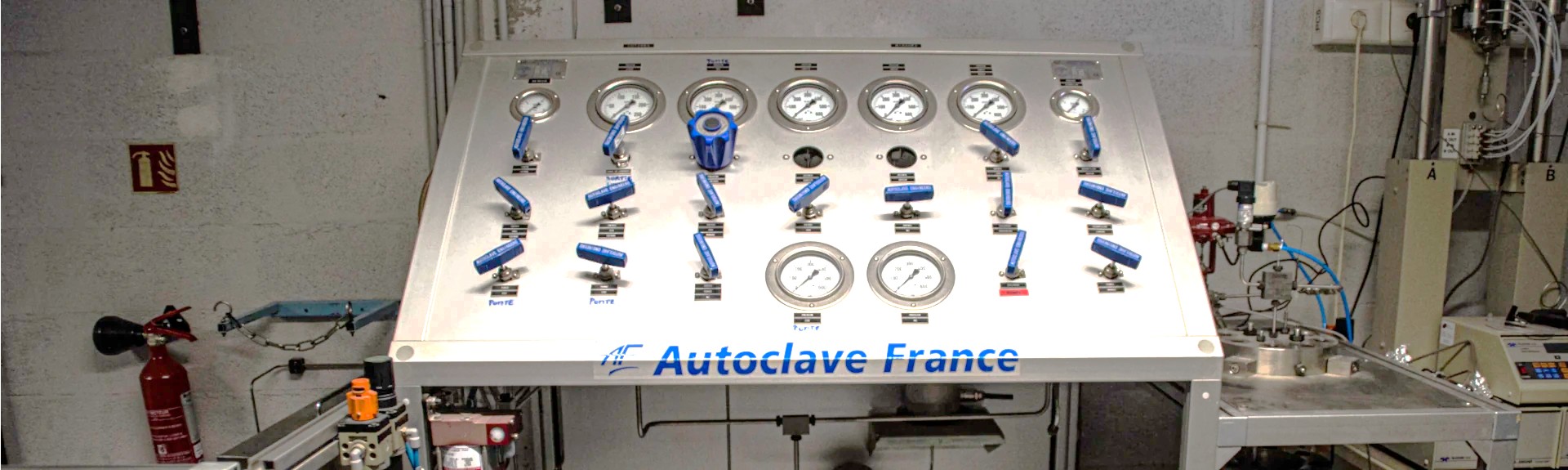
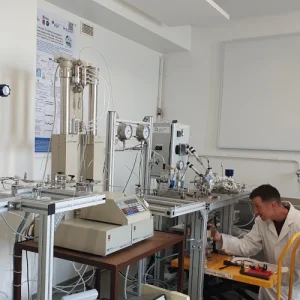
The hydrothermal experimentation technical platform brings together facilities that can reproduce conditions deep within the Earth’s crust. The techniques used enable the study of reactivity and phase stability in fluid-mineral-solution-gas-organic matter systems.
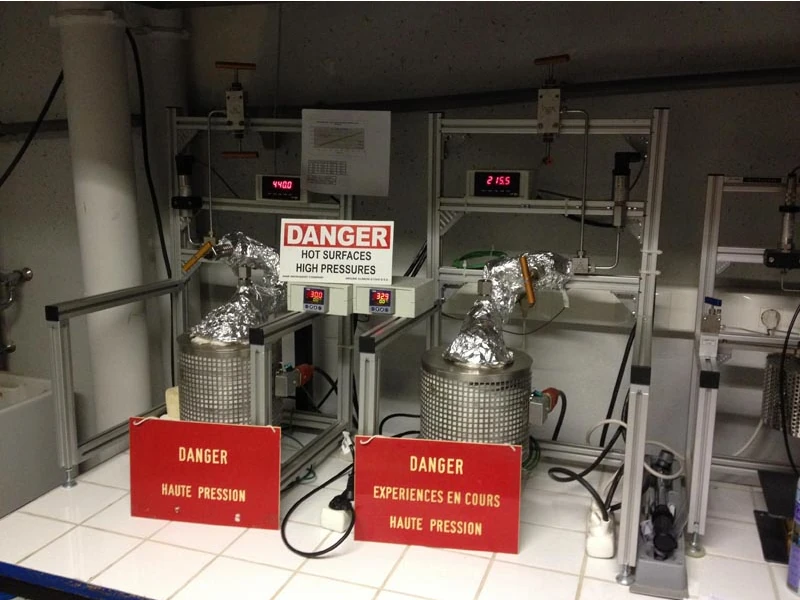
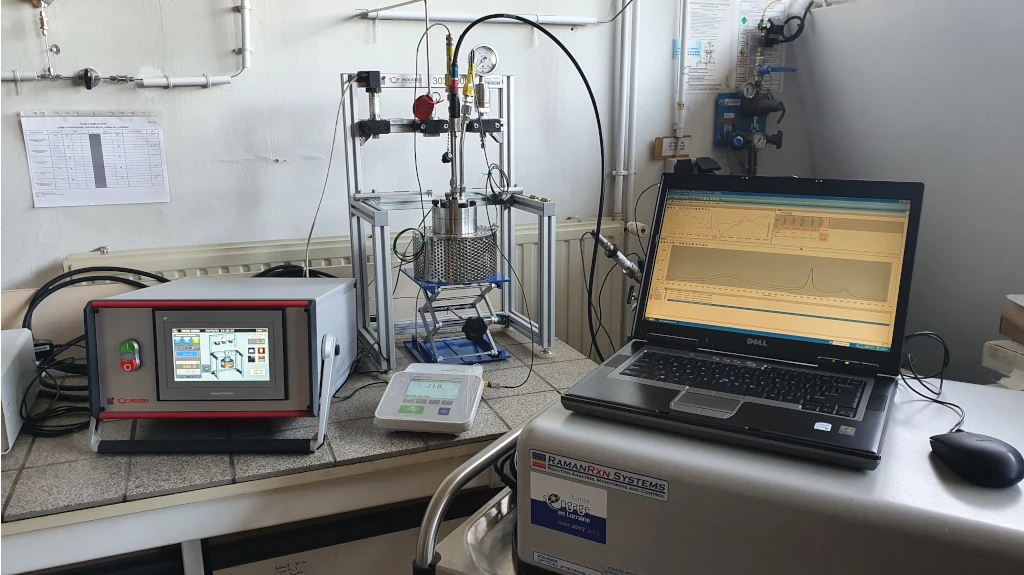
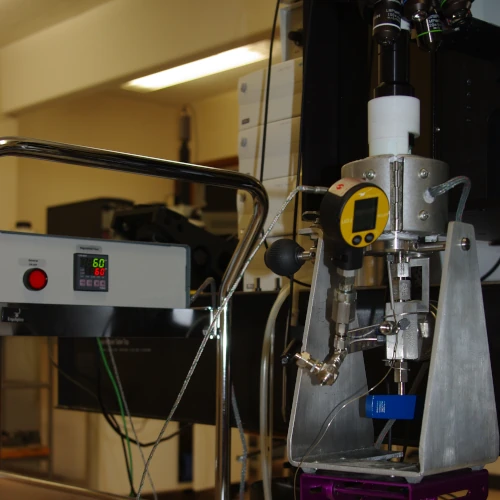
The laboratory has a set of hot and cold joint autoclaves that enable samples to be taken under controlled pressure, temperature, and oxidation-reduction conditions. Experiments are carried out in batch reactors of various sizes: welded gold cells and stainless steel and titanium chambers (with or without sapphire windows) equipped for in situ Raman measurement of molecular species and pH monitoring. A secure laboratory is available for experiments using hazardous gases (SOx, NOx, H2, H2S, CO). Specific autoclaves (IMAGES, MIRAGES, COTAGES) have been designed for gas injection applications (mainly CO2) with flow and thermal gradient control. Miniaturization has enabled the development of capillary microchemistry techniques that allow control of volume, pressure, and temperature for measuring the thermodynamic and kinetic properties of fluids and minerals and accessing the reactivity of fluid-rock systems.
Types of possible partnerships:
♦ Partnership-based research (services, studies, research, expertise)
♦ Training
♦ Prototyping / Innovation
♦ Characterization
Technical expertises
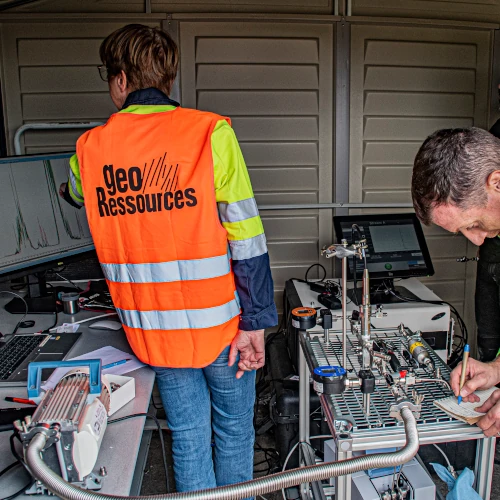

Areas of research and applications
♦ Geological storage of CO2 (Mineral reactivity in supercritical CO2 environments / Reservoir behavior, caprock, well materials / Changes in petrophysical properties of the reservoir rock: K, f / Risks of clogging, loss of injectivity: mineral precipitation, salts / Dissolution: collapse near the well / Influence of physicochemical parameters: P, T, ionic strength (salinity) / Roles of associated gases / Surface mineralization)
♦ Geological storage of hydrogen (Role of hydrogenotrophic bacteria on gas composition in underground H2 storage conditions, etc.)
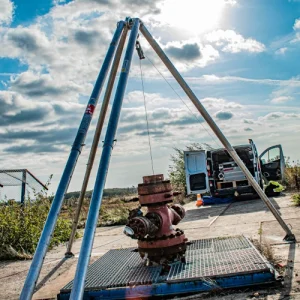
♦ Exploration of natural hydrogen (development of an in situ method for measuring dissolved gases at great depths during drilling)
♦ Storage of radioactive waste (behavior of cement-bentonite filling materials in high-level waste cells, etc.)
♦ Study of the genesis of oil through artificial maturation (thermal stability of oil, in situ measurements of natural gas, etc.)
♦ Natural or anthropogenic transfers of metals in the Earth's crust (improvement of uranium recovery in ISR, fractionation of metals in the different phases of the subsoil, etc.)
♦ Development of standards for measuring equipment (synthetic fluid inclusions: reconstruction of reservoir fluid pressures, custom gas mixtures, etc.).
Which expertises does the hydrothermal experimentation technical platform have?
♦ Experimental simulation of fluid-rock interactions
♦ High pressure, high temperature
♦ In situ chemical measurements: pH, Raman
♦ Geochemical modeling
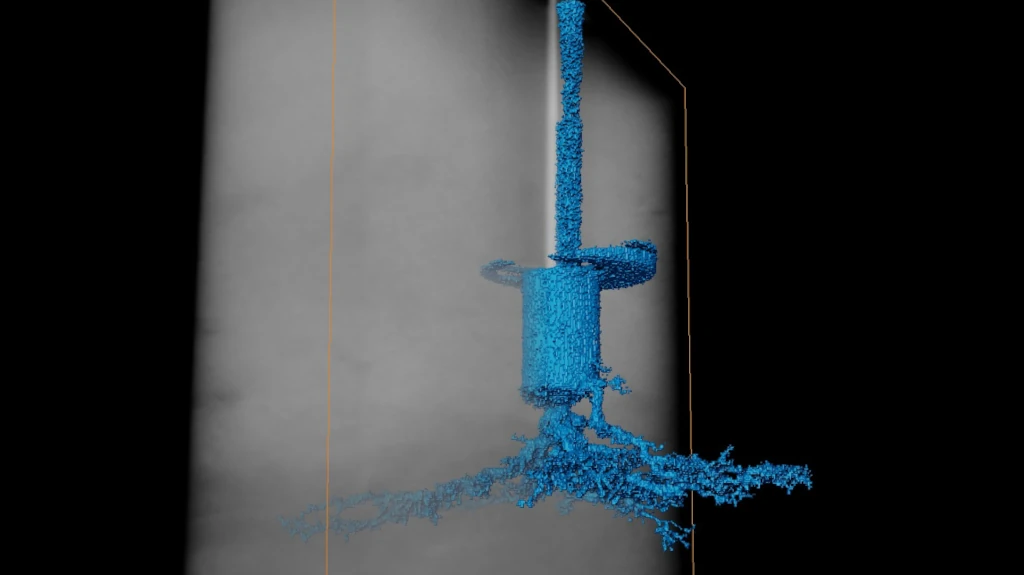
♦ 4D experimentation under X-ray beam
♦ In situ monitoring of gas and liquid
♦ Experimentations with hazardous gases (SOx, NOx, H2, H2S, CO)
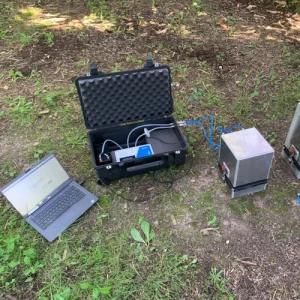
♦ Spatio-temporal mapping on site of natural gas emissions from the subsoil to the atmosphere
See all the expertise of Georessources in THMC experimention (thermal, hydrological, mechanical and chemical).
Equipment and fundings
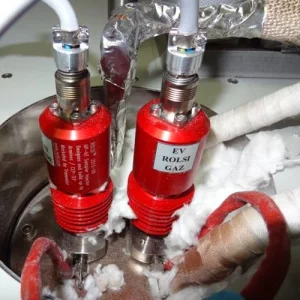
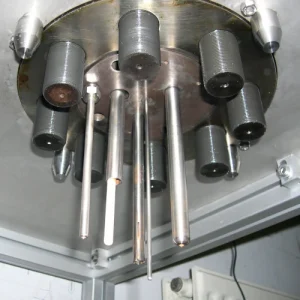
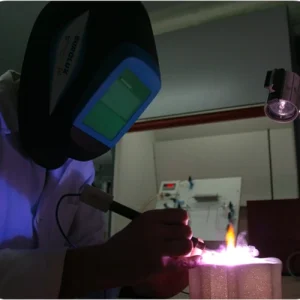
The platform’s main equipment includes:
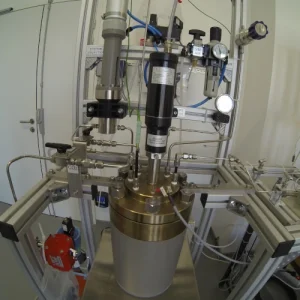
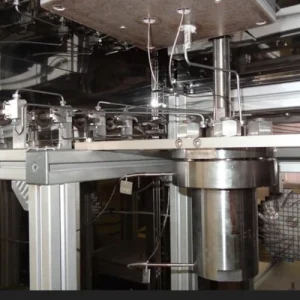
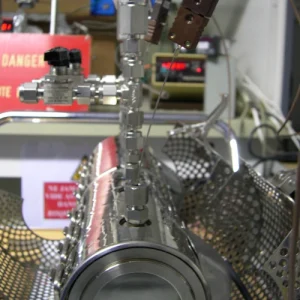
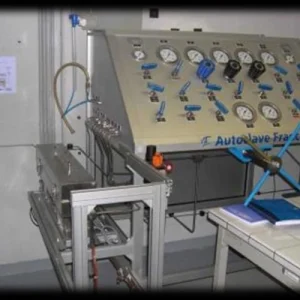
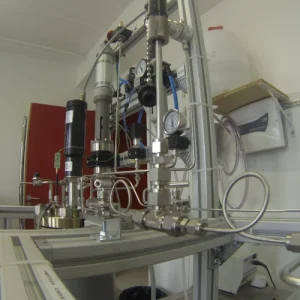
♦ MIRAGES and MIRAGES 2 devices: Dynamic test benches modeling a 1/20th scale injection well under high pressure and temperature conditions associated with deep geological storage.
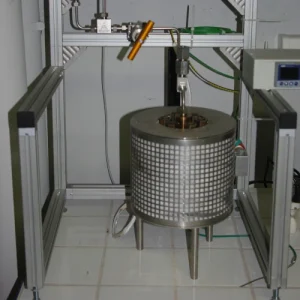
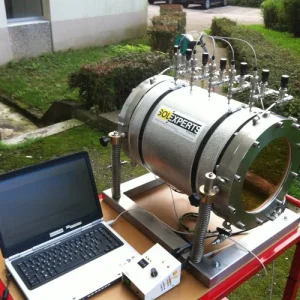
♦ COTAGES devices: static or dynamic test benches for monitoring the influence of a thermal gradient under pressure on a 70 cm long horizontal column.
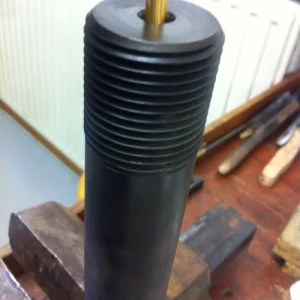
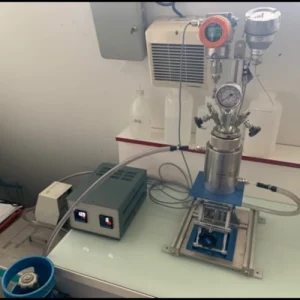
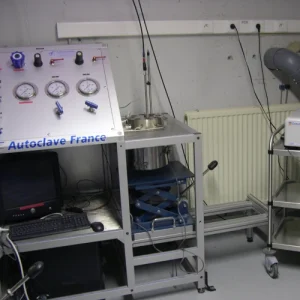
♦ Autoclaves for hydrothermal synthesis: useful volume from 10 mL to 5 liters, allowing work under maximum pressures of up to 2000 bar at 700°C.
♦ Autoclave with sealed gold capsules for loading and analyzing gases (HC, CO₂, NO, H₂S, SO₂, CO) under hydrothermal conditions (1.5 kbar at 650°C).
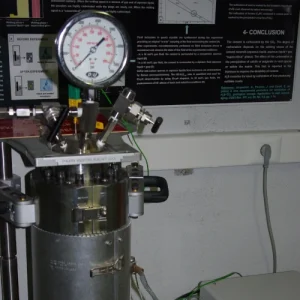
♦ Instrumented autoclaves (in-situ probes ensuring continuous monitoring of pH and chemistry via coupling with Raman molecular spectroscopy): Useful volumes from 50 to 500mL allow working under maximum pressures of up to 200 bar at 200°C.
♦ ATEX batch autoclave: Useful volume of 200 mL allows working under maximum pressures of up to 160 bar at 230°C.
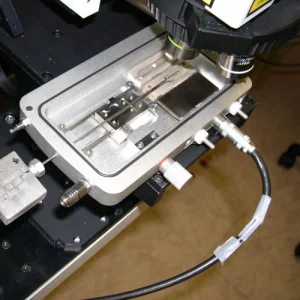
♦ Fused silica capillary for studying hazardous gases under extreme conditions (with pressurization platform and Linkam thermal stage for microthermometry, micro-Raman: working pressure and temperature 0 to 2 kbar and -140° to 600°C).
♦ Flow chamber for measuring natural gas emissions from the ground on site.

Several organizations helped GeoreSsources to finance the equipment present on the platform. Among them are:


How to get to the technical platform of hydrothermal experimentation
The technical platform of hydrothermal experimentation is located at the following address:
Faculty of Science and Technology of Nancy
Input 2B
Campus, Aiguillettes comics,
Rue Jacques Callot,
54506 Vandoeuvre-lès-Nancy
GPS coordinates :48.664688321401655, 6.160911794724312
Contact
If you would like to contact GeoRessources, please feel free to send us a message by clicking on the link below and filling out the form.